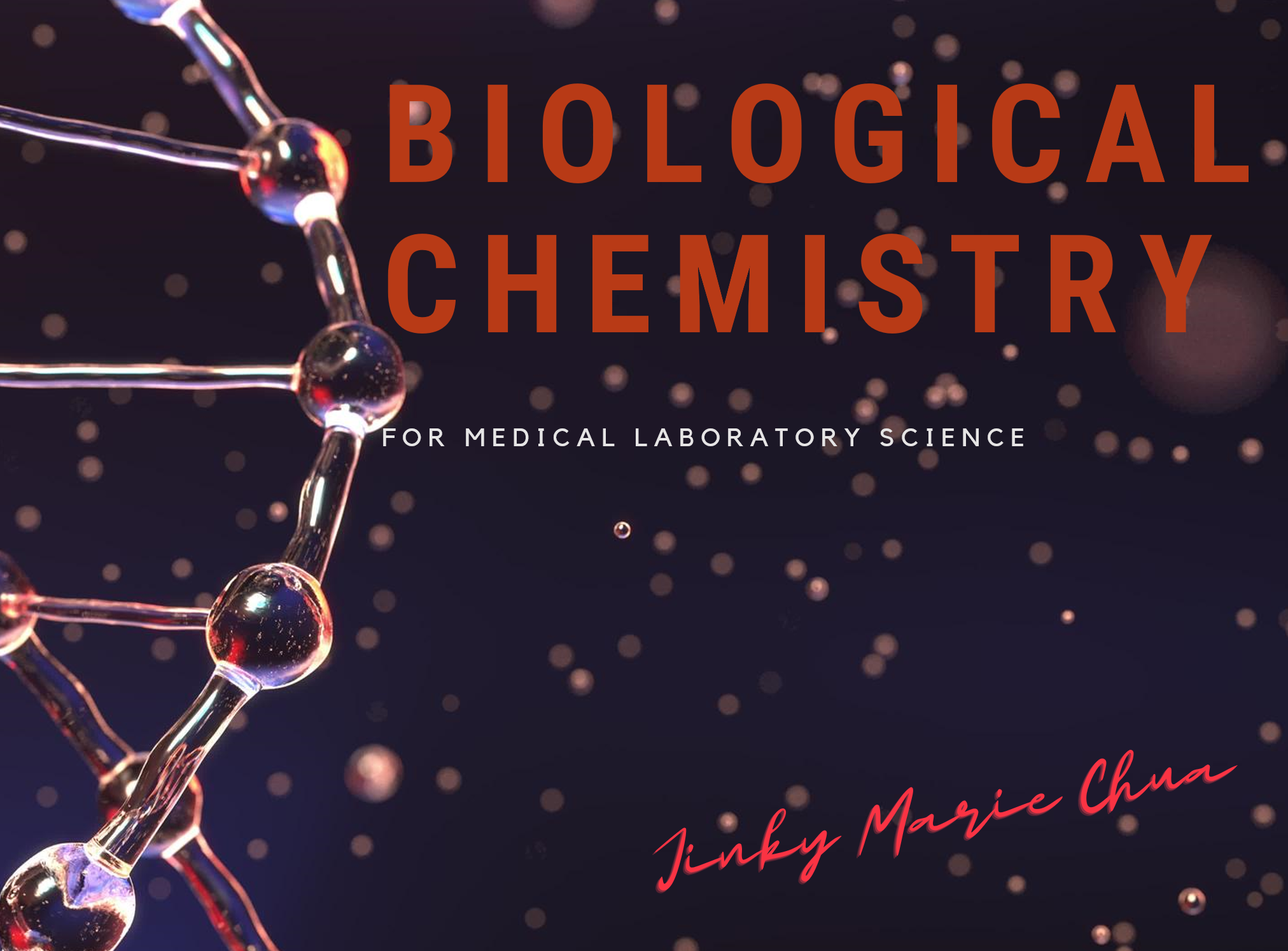
 This course is an upper level undergraduate course! You may find that it is challenging. It covers one 5-unit semester of biochemistry with 3 lecture units and 2 laboratory units. This course is intended to
acquaint students with the properties, reactions, sources, structure,
functions, and biosynthesis of the biomolecules, namely, proteins,
carbohydrates, lipids, and nucleic acids, found in living systems. It includes
a study of the different metabolic processes where these biomolecules are
utilized and how the metabolic processes are integrated into the total
metabolic function of the living system. An understanding of these biochemical
systems and chemical reactions will give a better appreciation of their roles
in the maintenance of life and order in the body.
This course is intended to acquaint students with the properties, reactions, sources, structure, functions, and biosynthesis of the biomolecules, namely, proteins, carbohydrates, lipids and nucleic acids, found in the living systems. It includes different metabolic processes where these biomolecules are utilized and how the metabolic processes are integrated into the total metabolic function of the living system. An understanding of these biochemical systems and chemical reactions will give a better appreciation of their roles in the maintenance of life and order in the body
This course discusses the mechanisms of heredity and variation with emphasis on the interrelation of cytology, cell biology and genetics. It touches on how genes are expressed into RNA and protein products. It also covers the techniques derived from the gene expression system and how they are applied in the basic and applied sciences.

As mandated by Republic Act 1425, this course covers the life and works
of the country’s National Hero, Dr. Jose Rizal. Among the topics covered are
Rizal’s biography, and His writing, particularly the novels Noli Me Tangere,
and El Filibusterismo, some His essays and various correspondences.
This course provides an introductory and overview of the principles of epidemiology and biostatistics. The concepts of rates, risks, and measures of effect as they pertain to clinical practice. Principles of descriptive and analytic epidemiology will be introduced. Basic concepts in medical statistics which covers
introduction to descriptive statistics, hypothesis testing and confidence
intervals, analysis of categorical data, regression analysis and non-parametric
statistics.
The course aims to expose students to different facets of the Philippine
History through the lens of eye witness. Different types of primary sources
will be used covering various aspects of Philippine life. Students are expected
to analyse the selected readings contextually and in terms of content (stated
and implied). The end goal is to enable students to understand and appreciated
our rich past by driving insights from those who were actually present at the
time of event.
This course deals with the principles and teaching/learning strategies in medical laboratory science/medical technology including adult learning and the roles of a medical laboratory scientist/medical technologist as a teacher in different settings. It also includes strategies that enhance critical thinking, clinical laboratory teaching, and assessing and evaluating learning.
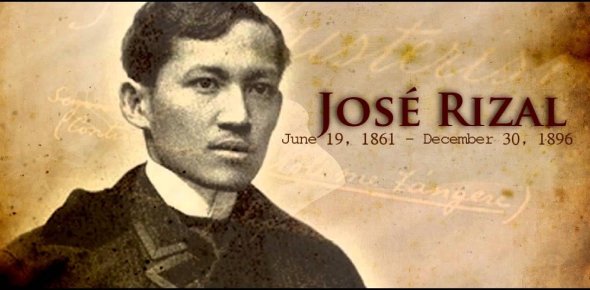 As mandated by Republic Act 1425, this course covers the life and works
of the country’s National Hero, Dr. Jose Rizal. Among the topics covered are
Rizal’s biography, and His writing, particularly the novels Noli Me Tangere,
and El Filibusterismo, some His essays and various correspondences.
This course discusses the mechanisms of heredity and variation with emphasis on the interrelation of cytology, cell biology and genetics. It touches on how genes are expressed into RNA and protein products. It also covers the techniques derived from the gene expression system and how they are applied in the basic and applied sciences.
This course discusses the mechanisms of heredity and variation with emphasis on the interrelation of cytology, cell biology and genetics. It touches on how genes are expressed into RNA and protein products. It also covers the techniques derived from the gene expression system and how they are applied in the basic and applied sciences.
This course discusses the mechanisms of heredity and variation with emphasis on the interrelation of cytology, cell biology and genetics. It touches on how genes are expressed into RNA and protein products. It also covers the techniques derived from the gene expression system and how they are applied in the basic and applied sciences.
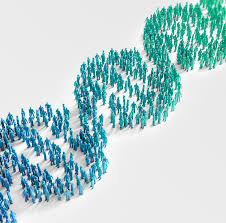
This course discusses the mechanisms of heredity and variation with
emphasis on the interrelation of cytology, cell biology and genetics. It
touches on how genes are expressed into RNA and protein products. It also
covers the techniques derived from the gene expression system and how they are
applied in the basic and applied sciences.
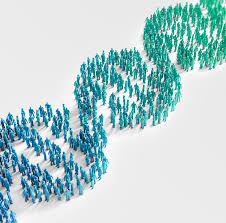
This course discusses the mechanisms of heredity and variation with emphasis on the interrelation of cytology, cell biology and genetics. It touches on how genes are expressed into RNA and protein products. It also covers the techniques derived from the gene expression system and how they are applied in the basic and applied sciences.

This course deals with the principles and teaching/learning strategies in medical laboratory science/medical technology including adult learning and the roles of a medical laboratory scientist/medical technologist as a teacher in different settings. It also includes strategies that enhance critical thinking, clinical laboratory teaching, and assessing and evaluating learning.
This course deals with the principles and teaching/learning strategies in medical laboratory science/medical technology including adult learning and the roles of a medical laboratory scientist/medical technologist as a teacher in different settings. It also includes strategies that enhance critical thinking, clinical laboratory teaching, and assessing and evaluating learning.